KILT Protocol - Identities for the web of the future
The Berlin-based research and development company BOTLabs uses blockchain technology to generate verified digital identities via the KILT protocol.
2018
Berlin
IT
Demo client for the KILT Protocol
About BOTLabs
BOTLabs GmbH is a Berlin-based research and development company with a focus on blockchain. It was founded in January 2018 by Ingo Rübe and the German publishing house Burda GmbH, where he worked as CTO from 2012 to 2017. The Swiss publishing house Ringier AG later joined as an additional shareholder. BOTLabs developed the KILT Protocol, which has since evolved into a fully decentralised blockchain network.
The dark side of digitalisation: who can I trust?
“With the rapid progress of digitalisation in all areas of life, the world has largely lost trust in information and data from the Internet,” says Philipp Welte, CEO of Hubert Burda Media, describing the current situation. Fake news and fraud are just two of the side effects of a world increasingly dominated by anonymity.
Yet digital platforms are central lifelines in today’s world. And even more so in the future. Is my dialogue or business partner real? How can identities be verified beyond doubt in the digital world? Businesses, public institutions and even private individuals who use online processes are looking for reliable answers to such questions.
With the rapid digitisation of all areas of life, the world has largely lost trust in information and data from the internet

BOTLabs enable verified digital identities
“In today’s Web 2.0, identities are based on trust. Users create accounts with major Internet companies such as Facebook and Google and use them to acquire a digital identity with which they can navigate the Web,” explains Ingo Rübe, CEO and founder of BOTLabs. This common practice has two major drawbacks: Other users have to trust that these digital identities are correct, and large internet companies have extensive control over the digital identities of internet users. This creates a great deal of dependency.
“We have established mechanisms in the physical world that create trusted identities independent of centralised platforms. We want to apply this concept to Web 3.0. We want to create a foundation where real identities can be created and where users have control over their identity and can use it as they wish.”


True identities through KILT Protocol and blockchain
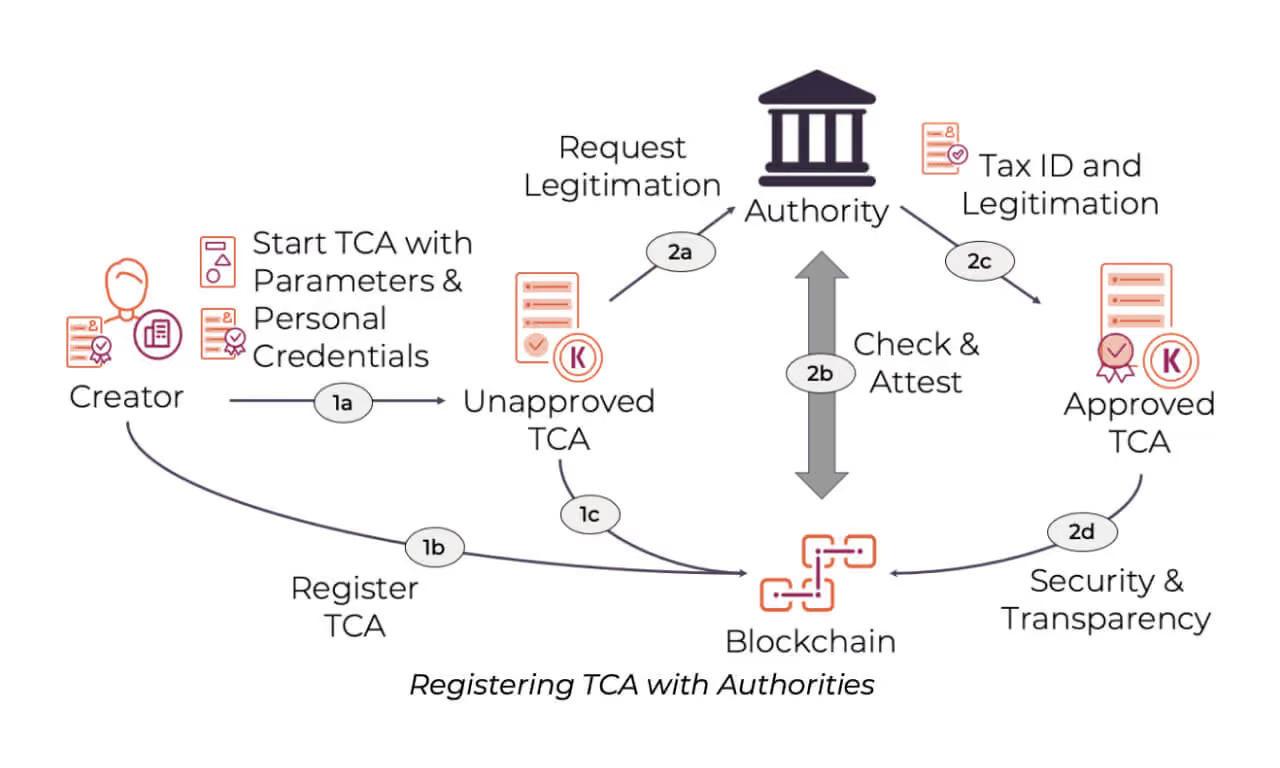
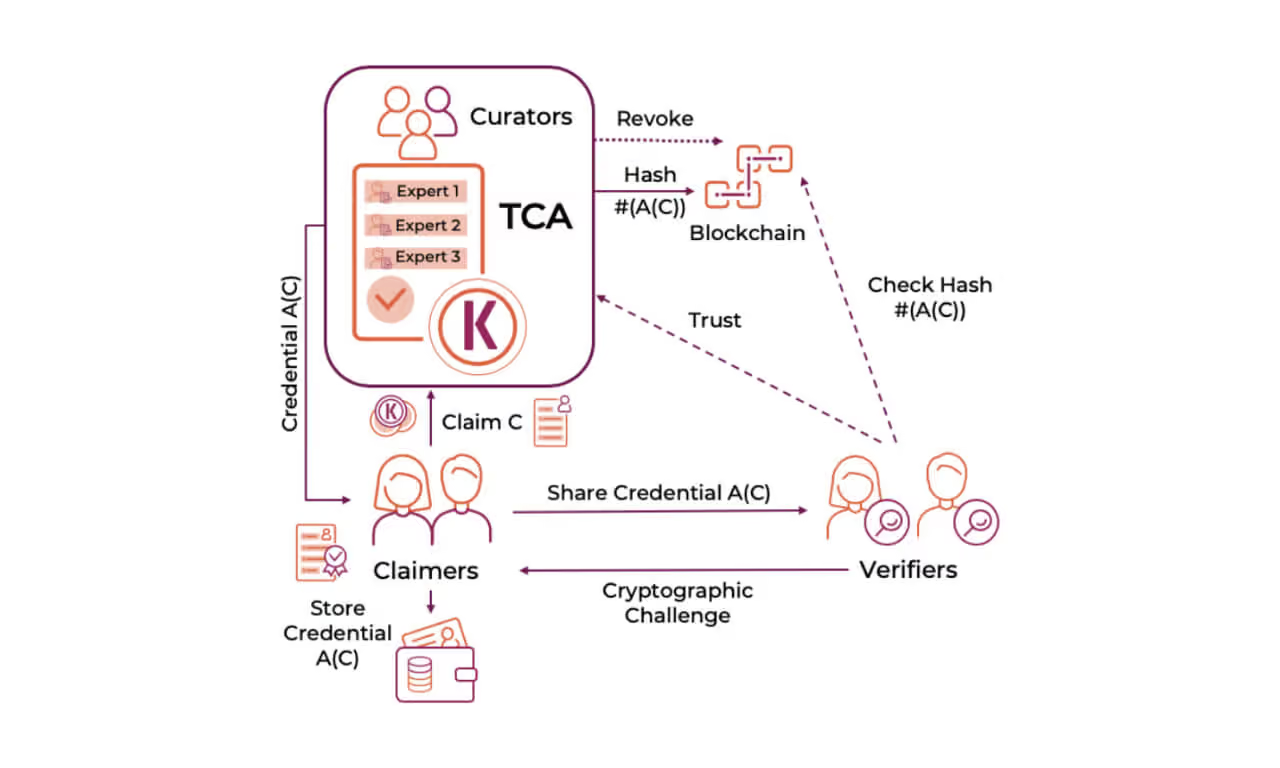
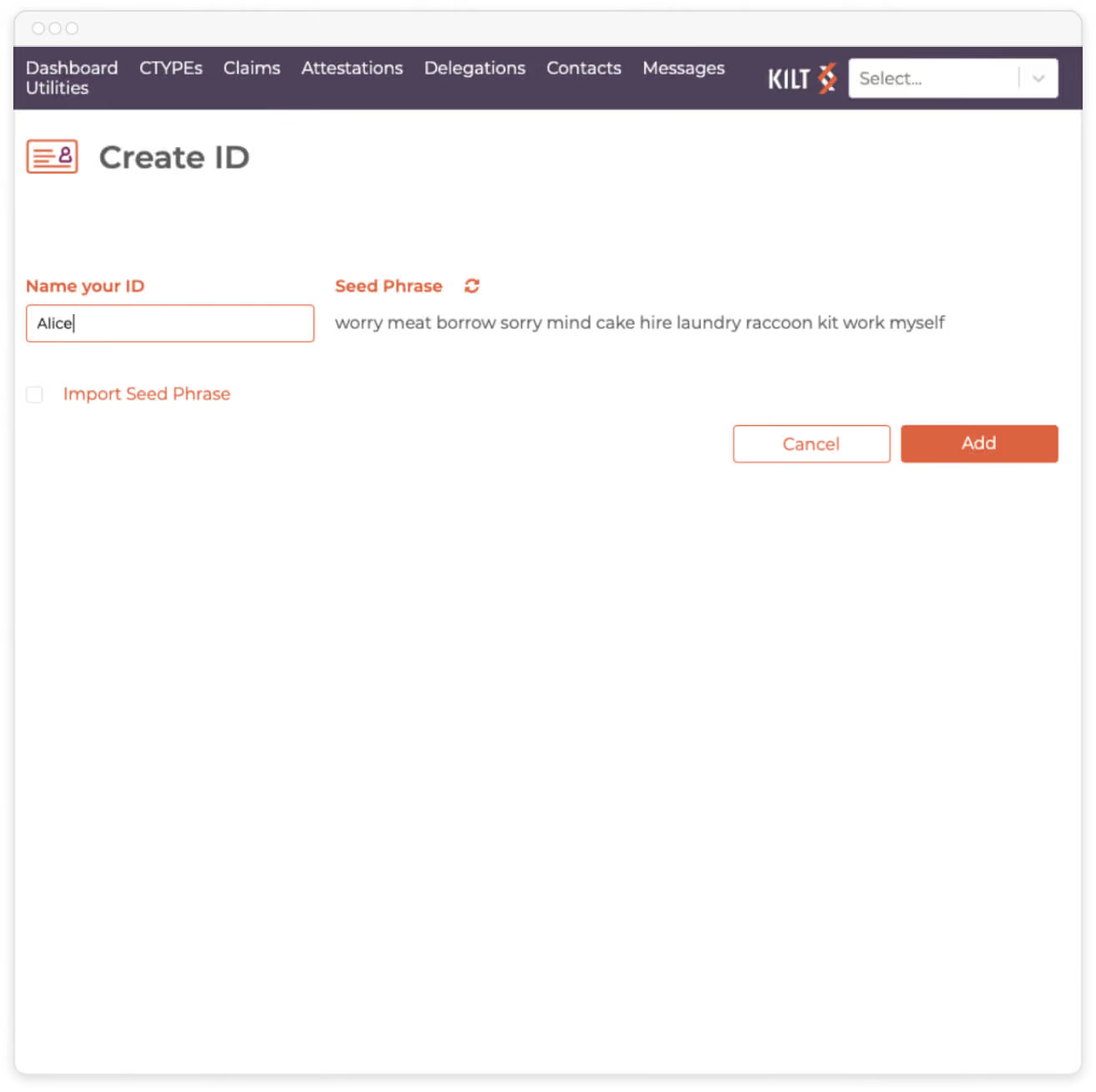
With the KILT protocol, BOTLabs GmbH has created the technical basis for such identities. It is available as open source. Users have the possibility to create an identity. This must be confirmed or certified by trustworthy sources (an attester). To do this, the user, the claimant, must provide an identifier. This can be a photograph, a signature or a name. The other party, the attester, then creates credentials that confirm the identity to a third party, the verifier. Both components of this certified identity, the identifier and the credential, are stored separately and in a decentralised manner.
Blockchain is perfect for this. It has no owner per se. Its role is to store the validity of the credentials. This gives users independence from any particular provider. Users become sovereign and decide what information they share with whom and for what purpose (so-called “selective disclosure”). At the same time, the issuer of the credentials has the ability to revoke them.
With SPRYLAB we had a partner who reliably guided us through the entire process from the idea of the demo client to the MVP. The professional support and extensive experience were strong assets that enabled us to develop such an innovative solution with blockchain technology on time and within budget.

A protocol - what next?
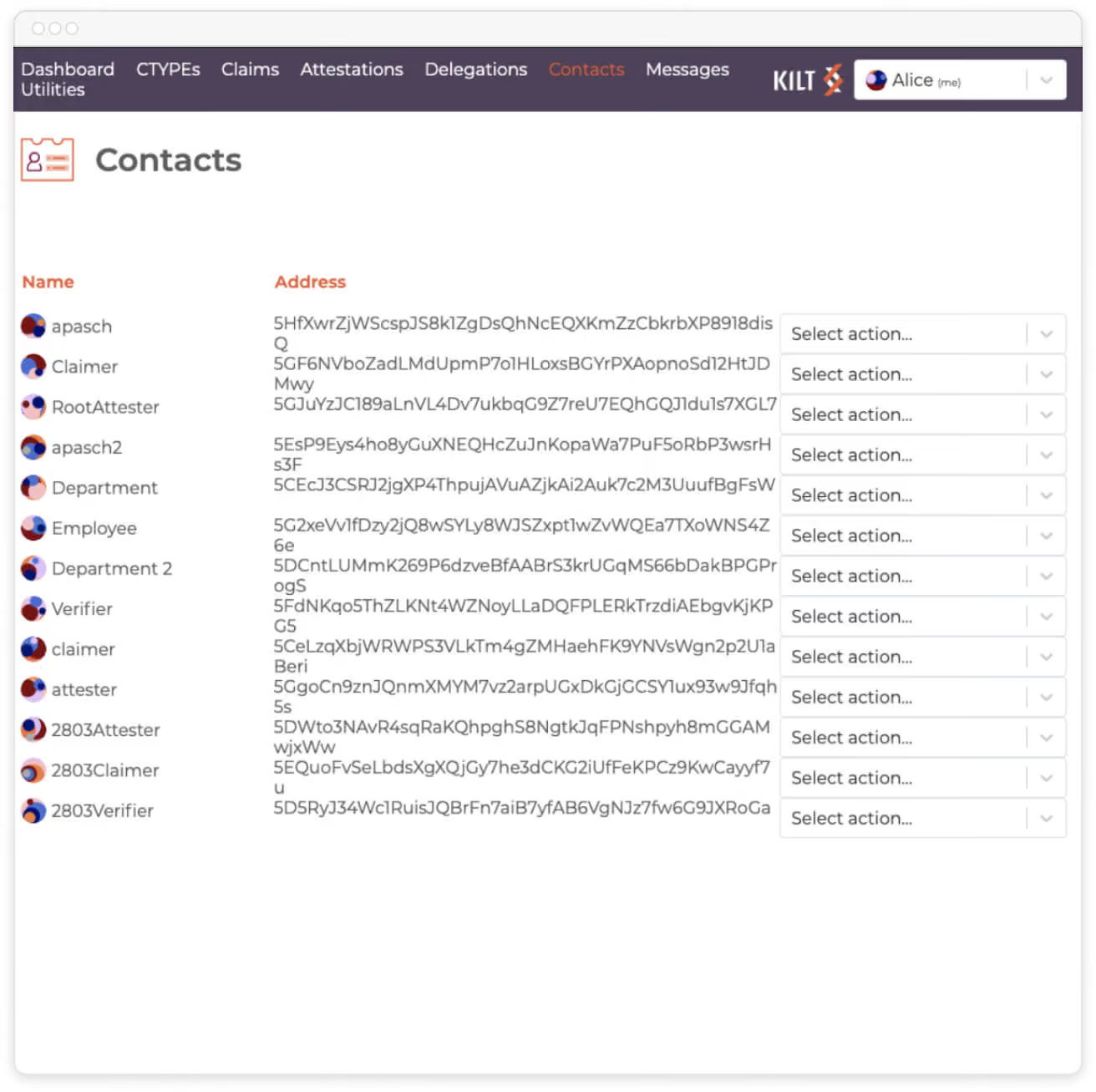
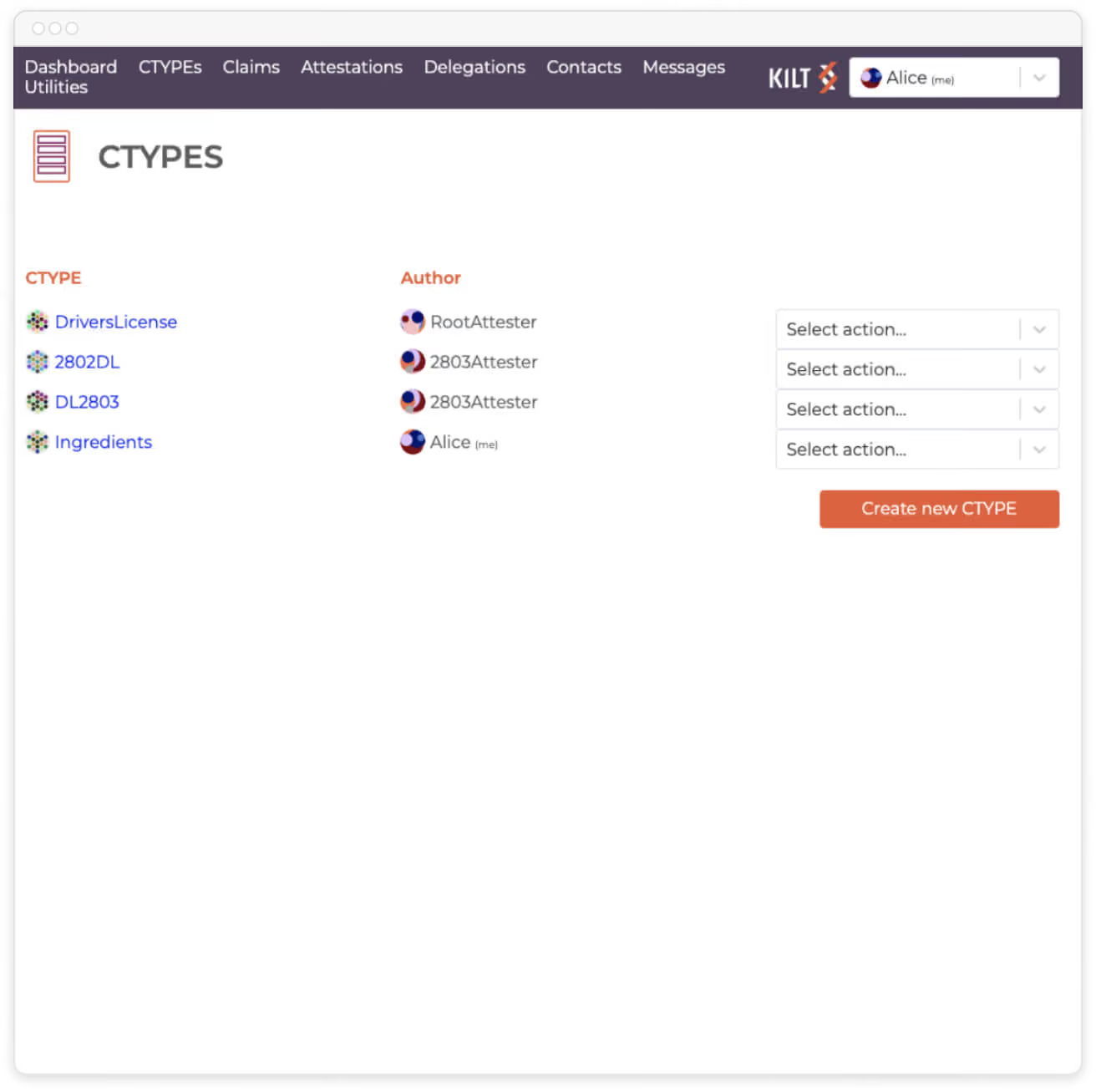
Protocols such as KILT are more for hardcore developers. But business decision makers need to see what protocols can be used for in practice. To demonstrate the possibilities, BOTLabs decided to develop a demo client. This should not only serve as a live demonstration, but also allow interested parties to try it out; to realise their own application scenarios, such as mapping verified employee access to business premises. BOTLabs decided to work with SPRYLAB to create the demo client. The aim was to implement it quickly so that BOTLabs could concentrate on developing the protocol.

Agile development for fast MVP
SPRYLAB developed the demo client with and for BOTLabs within six months. The Berlin-based developers fully supported the project, starting with the business idea and working with the client to create a concept that would deliver maximum user and business value. The demo client was built using established technologies such as Typescript and LoadJS.
With the demo client, BOTLabs was able to demonstrate the functionality of its protocol to various interested parties and donors. The special feature of the application: With this basic version and the included software development kit, interested parties can quickly make adaptations for different business cases. KILT can also be used to create identifiers for machines, services and anything else that can be used to create identities.
Would you like to turn your digital idea into reality? Talk to us!
We are driven by exciting and challenging innovation projects. If you are looking for an IT service provider to grow with, we are the right partner for you.