Directus CMS: our experience with Directus from more than 10 software projects


Managing content and data efficiently is decisive for the success of software projects. Our customers have high expectations of administration backends, headless content management systems (CMS) and product information management (PIM) systems. An intuitive user interface, flexibility in customization and seamless integration into their existing systems matter most to them here. In our projects we prefer Directus for this, a solution that meets these requirements and also offers very versatile options for use.
In this article I would like to give you some insight, from my perspective as a project manager, into the possible applications as well as the biggest advantages and disadvantages of the Directus CMS. But for everyone who is not yet so familiar with Directus, let me introduce the tool first.
What is the Directus CMS?
Directus is an open source headless CMS that stands out for its flexibility and adaptability. As a headless CMS, it separates content management from the presentation layer, which means you can reuse content across different platforms, whether web, mobile apps or IoT devices. Here the Directus CMS delivers a backend interface (API) that your client systems can address via REST or GraphQL.
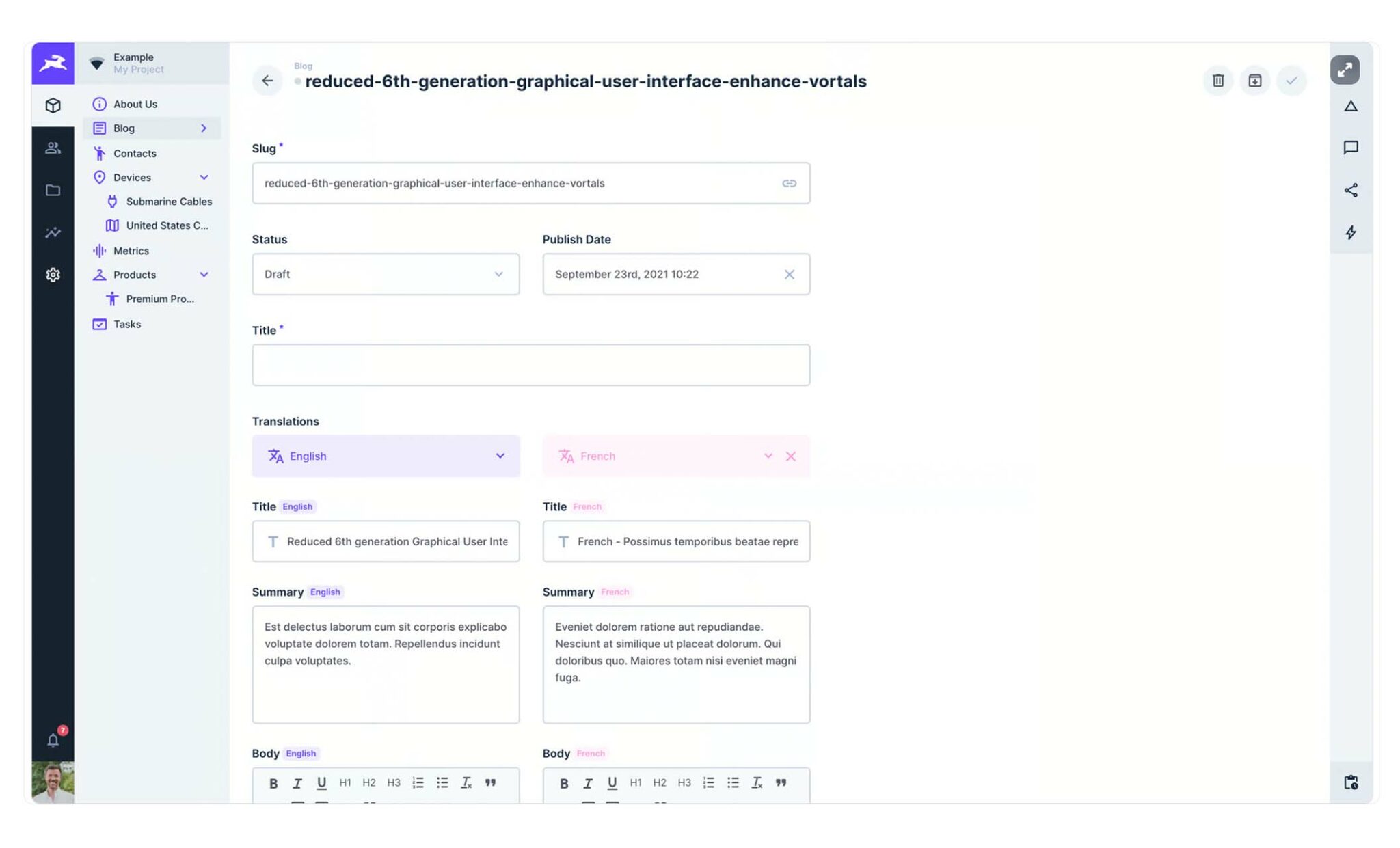
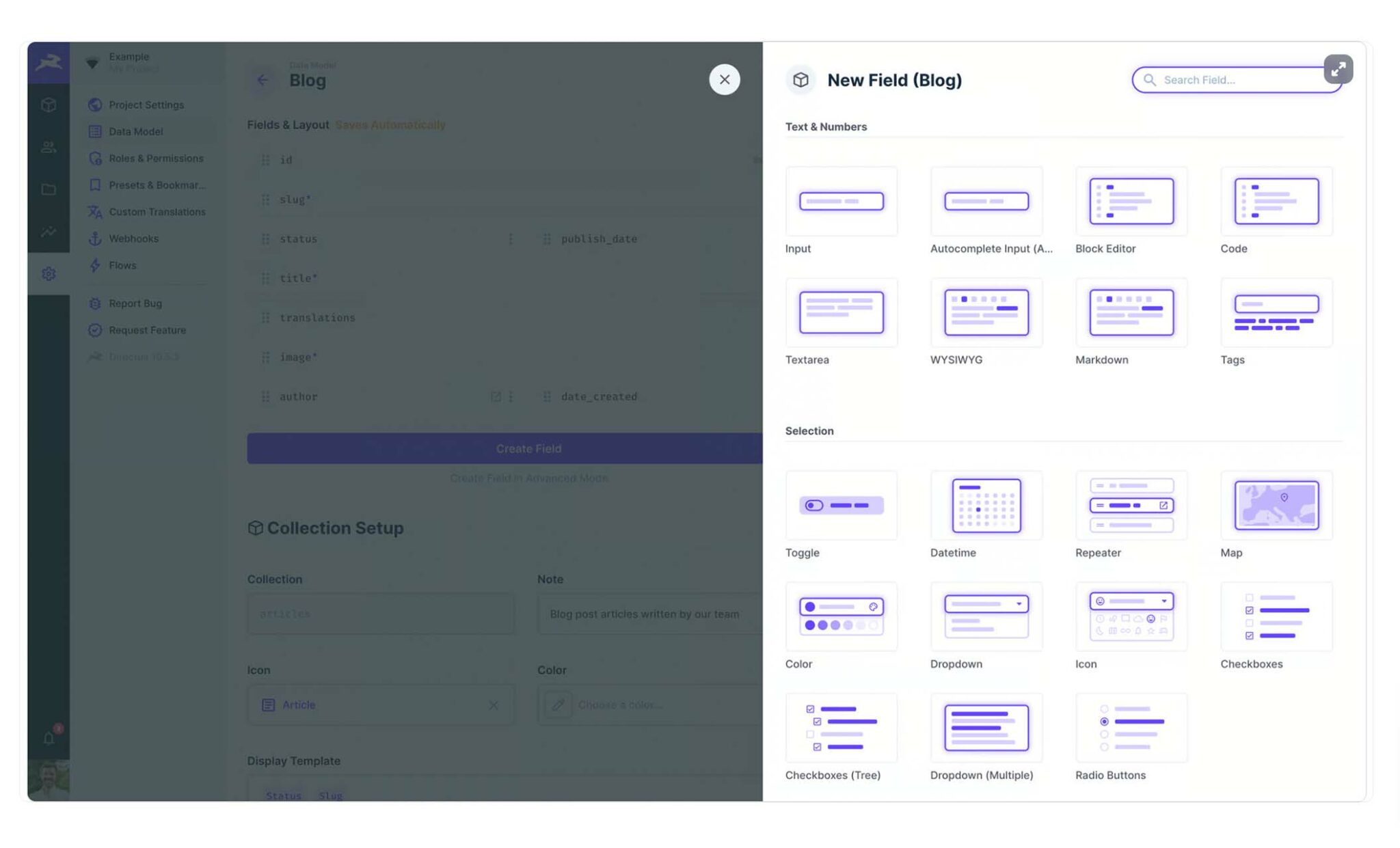
Directus also gives you an intuitive user interface for managing content and data. This allows your developers or your IT partner to adapt the database structure precisely to your individual requirements. Your data is presented clearly in a clean and flexible admin interface. Your administrator can also define which data fields should be shown in which form to your employees and editors. If the selection of components supplied for displaying content is not enough for you, you can of course also have your own components developed.
End users of the admin interface benefit from the flexibility of Directus too. For a given data collection, they can decide individually which columns or properties should be displayed. A function for exporting and importing data in the usual technical exchange formats is also open to you (CSV and JSON for import, CSV, JSON, YAML and XML for export) whenever you want to exchange larger volumes of data.
A search including comprehensive filter options lets you browse even large data collections quickly for the data you are looking for. From searches or filters you use particularly often, you can also create bookmarks that are stored in your sidebar for quick access.
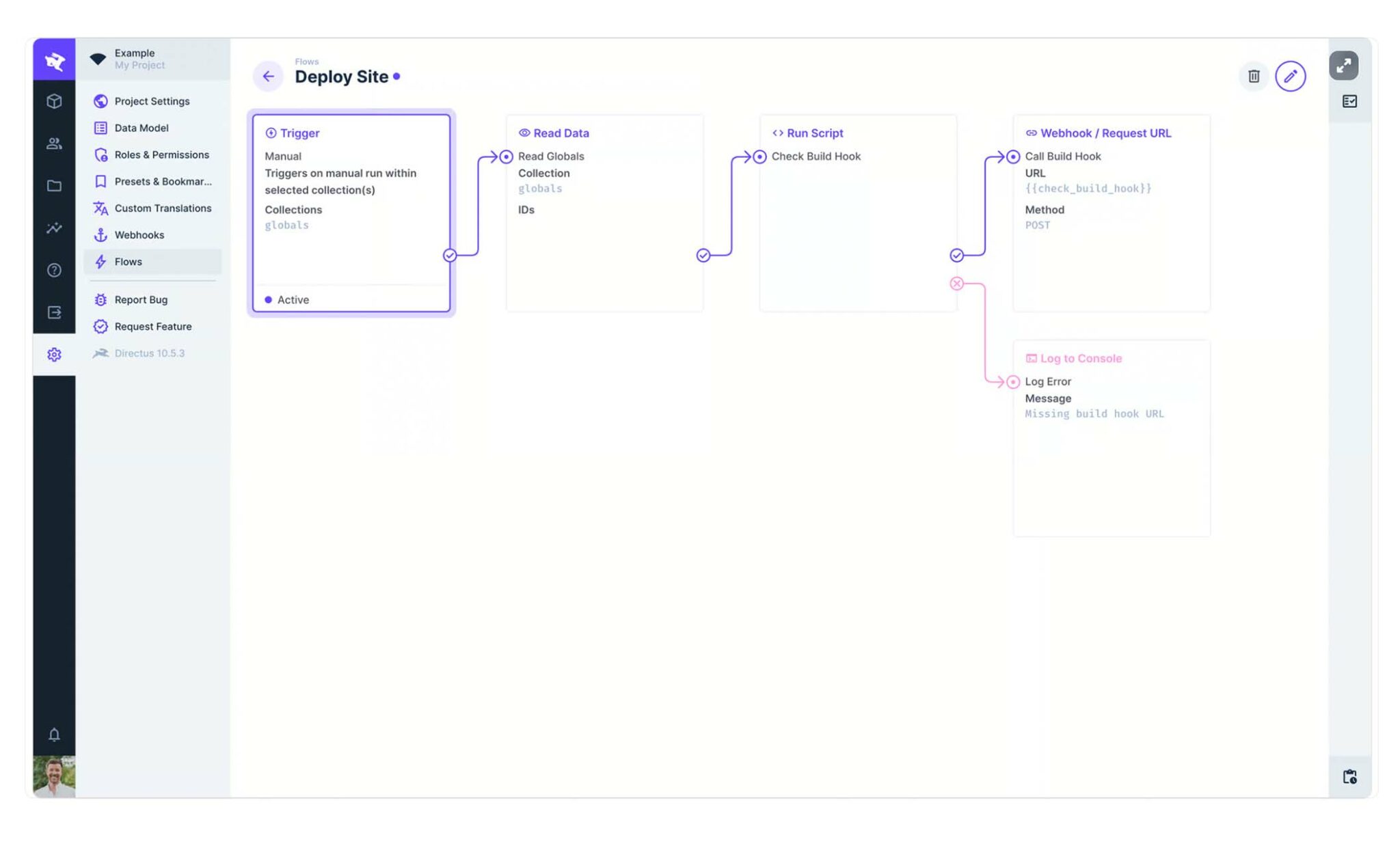
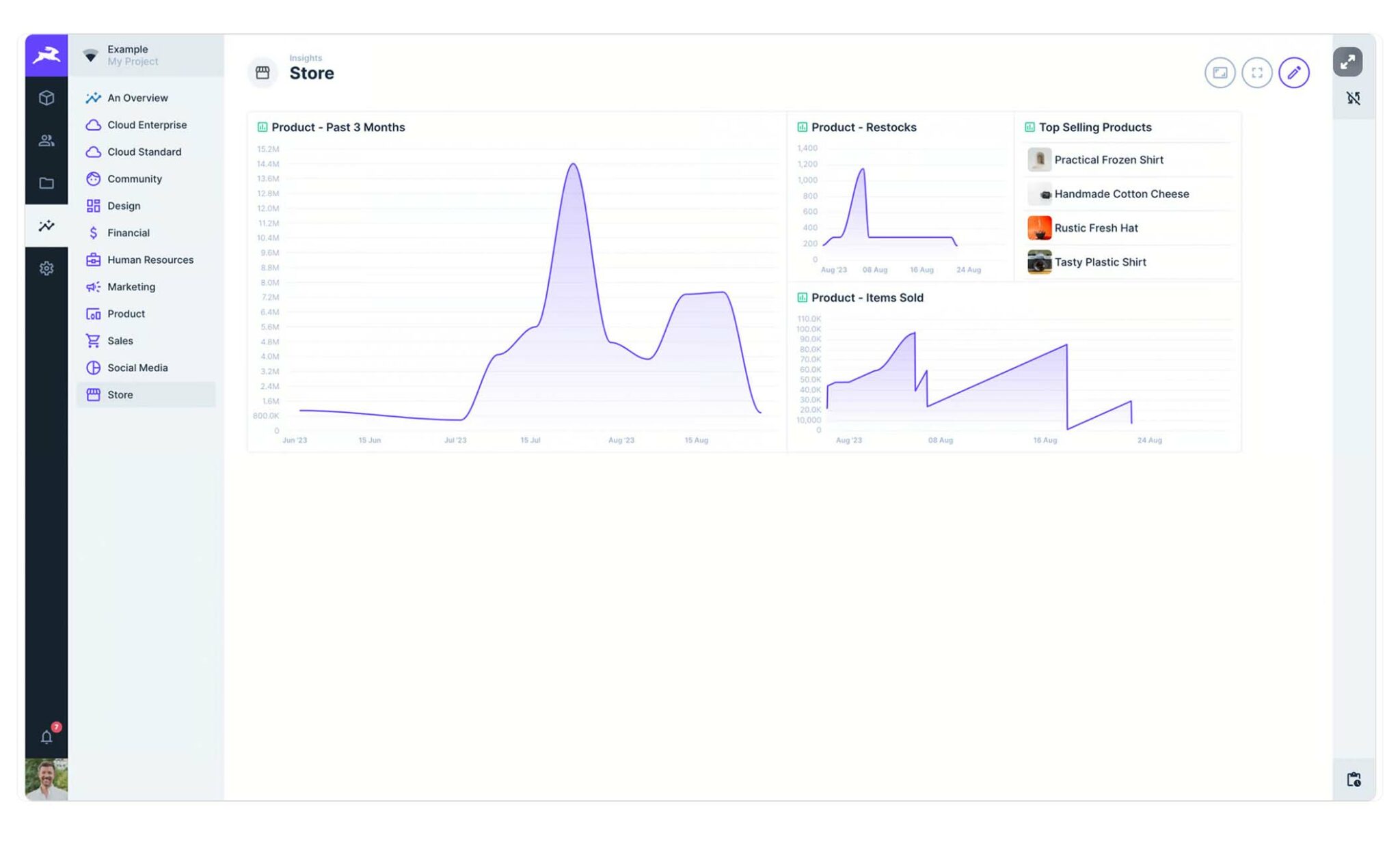
As is usual with content management systems, the Directus CMS has an integrated asset management system. Here you can manage images, videos and any other media. The content workflows that can be defined also let you model your business processes perfectly. Simple data evaluations and dashboards are possible as well, so you can keep an eye on your most important KPIs.
In addition to integration into existing system landscapes, Directus offers connectors to the usual SSO (single sign-on) systems (OpenID, OAuth 2.0, LDAP, SAML).
The 5 most promising ways to use Directus as a CMS, admin backend, PIM and more
Directus offers a wide range of features that make it an attractive solution for very different use cases. Here are five selected examples of the most promising use cases:
1. IoT fleet management tool
Example: a company that uses IoT devices in vehicle fleets uses Directus to manage and analyze the data collected by those devices.
- Device management: the Directus CMS serves as a central database in which information about every IoT device is stored, including location, status and sensor information.
- Data analysis: real-time data such as vehicle speed, fuel consumption and maintenance status can be recorded and made available for dashboards and reports via the Directus API.
- Notifications: if values deviate or maintenance is needed, notifications can be generated automatically and sent to the responsible teams.
2. E-commerce platform
Example: an online retailer uses Directus to optimize the management of its product catalog and its orders.
- Product catalog: Directus manages products, categories, prices and stock levels. The API makes it possible to display this information on the website in real time.
- Order management: customer orders are stored and managed in the Directus CMS. Information on order status, payment details and delivery details is centralized.
- Customer profiles: recording customer data and purchase history in order to create personalized recommendations and marketing campaigns.
3. SaaS application
Example: a company develops a SaaS application for project management and uses Directus as its backend solution.
- Project management: Directus manages projects, tasks, milestones and resources. Users can access and update this data via the API.
- User management: user accounts, roles and permissions are maintained in the Directus CMS to make sure that only authorized people can access certain data.
- Reporting: data on project progress and resource consumption can be stored in Directus and used to create reports.
4. Business data analysis
Example: a company uses Directus to collect and analyze business data in order to make well-founded decisions.
- Data integration: the Directus CMS acts as a central hub in which data from different sources such as CRM systems, financial software and production databases is brought together.
- Data visualization: the Directus API delivers data to BI (business intelligence) tools in order to create interactive dashboards and reports that show important figures and trends.
- Automated reports: regular reports on revenue, costs and operational efficiency can be generated automatically and sent to decision-makers.
5. Multi-channel content distribution
Example: a marketing agency uses Directus to manage and distribute content across different channels.
- Content management: texts, images, videos and other media are organized in the Directus CMS. Content can be categorized and given metadata to make searching and filtering easier.
- Publishing: content can be distributed via the API to different channels such as websites, mobile apps, social media and newsletter platforms.
- Content syndication: the agency can set up automated processes to deliver content to partner sites and other platforms regularly, making sure that all channels always receive current information.
These examples illustrate the versatility of Directus and its ability to perform effectively in different industries and scenarios.
How we use Directus
At SPRYLAB we have already used Directus successfully in numerous customer projects. Before we worked with the Directus CMS, we often had to develop administration backends from scratch, because none of the existing solutions met our requirements. With Directus we have found a solid basis that allows us to reduce the effort involved in building backends considerably.
So far we have used the Directus CMS in more than 10 different customer projects of varying size and in varying scenarios. From GDPR-compliant hosting as on-premise installations through to multi-tenant administration backends with CMS content, we have been able to cover a broad range of requirements.
We usually set Directus up with 3 stages (development, staging, production), with the option of mirroring data between the stages. Depending on what the customer wants, we set up the entire interface in multiple languages and use either our own user management or the customer's single sign-on system. A role and permission system makes it possible to define across the whole data structure which users should have which read and write rights on the core model.
Depending on the project and customer requirements, the Directus backend can be run completely shielded from the public internet. To do that, we place another server in front of it that only addresses dedicated data endpoints in Directus and only lets certain information out.
Advantages and disadvantages of Directus in summary
Advantages:
- Barely any intervention in the database: Directus is not very invasive and requires hardly any intervention in the database structure, which means there is no vendor lock-in.
- Many typical admin backend scenarios already covered: the Directus CMS already offers a wide range of building blocks and functions that are needed for typical administration backend scenarios.
- Missing parts can be developed in-house: functions or interfaces that Directus does not offer out of the box can be developed and integrated by you.
- Extensibility is there: Directus offers many areas that can be extended through your own development work, for example your own input components.
Disadvantages:
- No out-of-the-box page builder: unlike a content management system such as WordPress, the Directus CMS does not offer an out-of-the-box page builder for creating websites.
- Not adaptable without limits: although the Directus CMS offers a high degree of flexibility, there are limits when it comes to adaptability, especially compared with solutions developed from scratch.
Conclusion
With the introduction of version 10, Directus introduced a fair pricing model that only charges license fees above a certain company size. Directus has also pushed its opening further with the launch of a marketplace where individual functions can be added as plugins. From my point of view, these changes promise you even greater flexibility and adaptability for your future projects.
All in all, I think Directus offers you a powerful solution for managing your content and data. With its flexibility, adaptability and versatile options for use, it is an ideal choice for your company if you are looking for a universal administration backend and headless CMS. Thanks to our experience as an IT partner to large and mid-sized companies, we can recommend the Directus CMS for a wide range of use cases and are very convinced of its potential.



Tech Newsletter
Join our 2,000+ subscribers and receive monthly updates on our latest articles, case studies, webinars, events, and industry news.